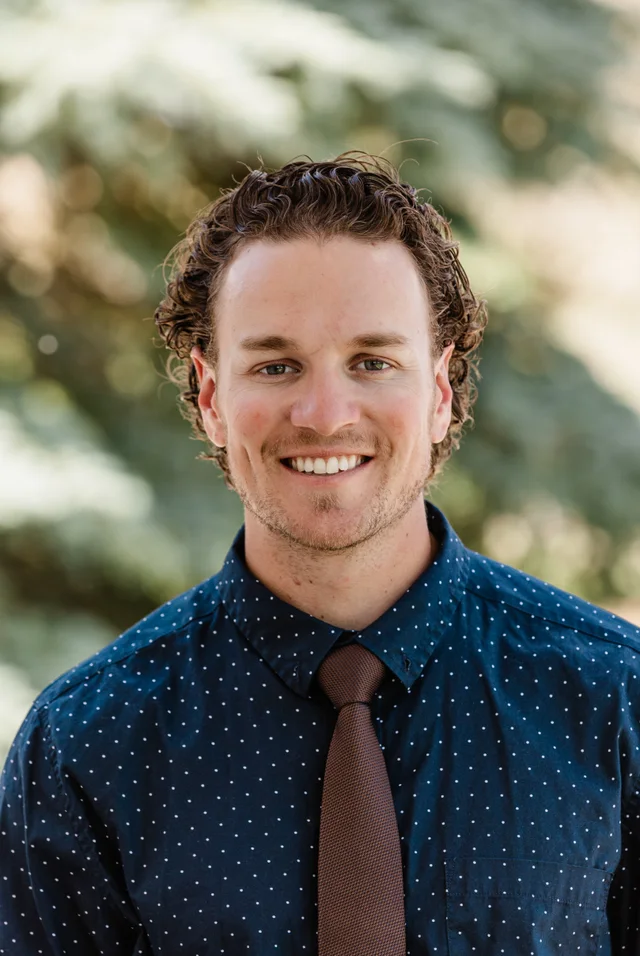
Brandon Jaggi, PMHNP-BC
Board-certified Psychiatric Mental Health Nurse Practitioner
Brandon Jaggi is a board-certified Psychiatric Mental Health Nurse Practitioner and founder of Meadowlark Mind & Body. He helps adults, children, and teens with depression, anxiety, ADHD, sleep problems, trauma-related concerns, and other mental health challenges.
His approach combines psychiatric medication management with whole-person care. He takes time to understand your symptoms, physical health, daily habits, past treatment experiences, and personal goals. When medication is appropriate, he explains the options, weighs benefits and side effects, and follows your response closely.
Brandon also considers how hormones, thyroid function, sleep, nutrition, stress, and lifestyle may affect mood, energy, focus, and overall well-being. When appropriate, care may include lab testing, bioidentical hormone replacement therapy (BHRT), other hormone or thyroid support, targeted supplements, and practical changes to everyday habits. These options are chosen around your individual needs, with attention to safety and how treatments work together.
He welcomes people interested in medication, more natural approaches, or a thoughtful combination of both. His goal is to help you understand your options and build a realistic plan, while coordinating with your primary-care and other medical providers when needed.
More about Brandon's training
Brandon has completed continuing education in BHRT concepts, hormone-informed mental health care, lab interpretation, natural treatment supports, supplementation, exercise, fitness, and metabolic health. These topics are used as context for psychiatric care when relevant, not as a replacement for primary care or specialty medical treatment.
Focus areas: Medication Management · Depression · Anxiety · ADHD · Sleep And Fatigue · Lab-Informed Care · Hormone-Informed Care · BHRT · Exercise And Fitness · Spravato · Child And Teen Care.
Clinical focus
Mood, anxiety, ADHD, sleep, fatigue, brain fog, motivation, trauma-related symptoms, libido concerns, and psychiatric medication planning.
Care style
Collaborative, direct, practical, and open to traditional, integrative, or combined treatment paths when clinically appropriate.